
Introduction
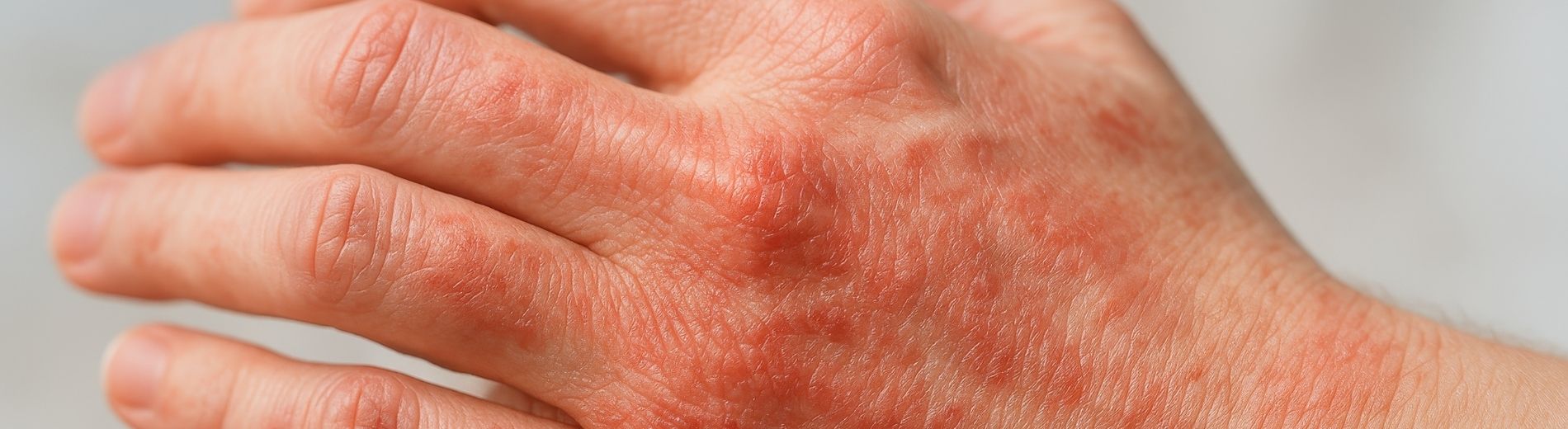
Atopic dermatitis, commonly known as eczema, is a chronic inflammatory skin condition that causes dryness, itching, redness, and recurrent flare-ups. It often begins in childhood but can also start or persist into adulthood. Atopic dermatitis is closely linked to allergic conditions such as asthma and allergic rhinitis and is part of what is known as the “atopic triad.”
Eczema can significantly affect quality of life. Persistent itching may disrupt sleep, cause skin damage from scratching, and increase the risk of secondary skin infections. Because symptoms can overlap with contact dermatitis, psoriasis, fungal infections, or other skin conditions, accurate diagnosis is essential—especially in adults or severe cases.
Modern eczema treatment focuses on restoring the skin barrier, controlling inflammation, preventing flare-ups, and reducing infection risk. For moderate to severe disease, advanced therapies are available under specialist supervision.
Türkiye is a trusted destination for advanced dermatology and allergy care, offering experienced specialists, modern diagnostic support, and evidence-based treatment planning.
Averia Health supports international patients through ethical, structured, and fully coordinated atopic dermatitis care focused on accurate diagnosis, safe symptom control, and long-term skin health.
Why Choose Türkiye for Atopic Dermatitis Care
Türkiye is internationally recognized for high-quality eczema and inflammatory skin care because of:
- Experienced dermatology and allergy/immunology specialists
- Modern diagnostic evaluation to rule out similar skin conditions
- Evidence-based topical and systemic treatment options
- Access to advanced therapies for moderate to severe eczema when indicated
- Structured infection prevention and skin barrier care protocols
- Internationally accredited hospitals
Türkiye combines clinical expertise with long-term eczema management strategies.
Why Choose Averia Health
Averia Health provides complete coordination for eczema diagnosis and treatment:
- Pre-arrival review of symptoms, photos, and previous treatments
- Referral to experienced dermatology and allergy specialists
- Coordination of diagnostic testing when needed (allergy testing, patch testing)
- Clear explanation of triggers, flare patterns, and treatment options
- Personalized long-term eczema control plan
- Interpreter services for full clarity
- 24/7 patient support during your stay
- Medical reporting and international follow-up coordination
Our approach prioritizes safety, transparency, and sustained symptom relief.
What Is Atopic Dermatitis?
Atopic dermatitis is a chronic inflammatory condition involving:
- impaired skin barrier function (leading to dryness and irritation)
- immune-driven inflammation
- increased sensitivity to irritants and allergens
Eczema is not contagious. It often follows a flare-and-remission pattern and may worsen due to environmental triggers.
Symptoms of Atopic Dermatitis
Symptoms vary by age and severity, and may include:
- Dry, sensitive skin
- Persistent itching (often worse at night)
- Red or inflamed patches
- Thickened or leathery skin (lichenification) in chronic cases
- Oozing or crusting during severe flare-ups
- Skin cracking and bleeding from scratching
Common affected areas include:
- face and neck
- elbows and knees (flexural areas)
- hands and wrists
- ankles and feet
Severe or uncontrolled eczema can lead to infections and scarring.
Common Triggers and Risk Factors
Eczema may flare due to:
- dry climate or cold weather
- sweating and heat
- harsh soaps or detergents
- stress and sleep disruption
- dust mites and environmental allergens
- certain fabrics (e.g., wool)
- skin infections
- food allergies (more common in children; not the main cause in most adults)
Identifying triggers helps reduce flare frequency.
Diagnostic Evaluation for Atopic Dermatitis
Diagnosis is usually clinical, but testing may be needed in selected cases.
Dermatology and Allergy Assessment
- evaluation of rash pattern and chronicity
- review of trigger history and family history
- assessment for asthma/allergic rhinitis coexistence
Allergy and Immune Testing (Selected Cases)
- specific IgE testing when allergy is suspected
- skin prick testing in selected patients
Patch Testing (Selected Cases)
Patch testing may be recommended if contact dermatitis is suspected (e.g., due to cosmetics, fragrances, metals).
Infection Evaluation
If infection is suspected, assessment may include:
- skin swab testing (selected cases)
Accurate diagnosis ensures the right treatment strategy.
Treatment Options for Atopic Dermatitis
Treatment aims to restore the skin barrier, control inflammation, and prevent flare-ups.
Skin Barrier Repair (Core Treatment)
- daily use of medical moisturizers (emollients)
- gentle cleansing routines
- avoidance of harsh soaps and irritants
- bathing and moisturizing strategies (“soak and seal” approach)
Topical Anti-Inflammatory Treatment
Treatment may include:
- topical corticosteroids (short-term flare control)
- non-steroid topical therapies for sensitive areas or maintenance
Infection Prevention and Management
- treatment of bacterial skin infection when present
- prevention strategies for recurrent infections in severe eczema
Advanced Therapy for Moderate to Severe Eczema (Selected Cases)
If topical therapy is insufficient, treatment may include:
- systemic immune-modulating medications
- advanced biologic therapies in selected patients
- targeted therapies under specialist monitoring
Treatment selection depends on severity, age, medical history, and safety profile.
Lifestyle and Supportive Care
- itch control strategies
- sleep support planning
- trigger avoidance and home environment optimization
A long-term plan is essential for stable control.
Treatment Journey in Türkiye
- Pre-Arrival Case Review
Symptoms, photos, and prior treatments are reviewed. - Specialist Consultation
Dermatology evaluation confirms diagnosis and severity. - Diagnostic Testing (If Needed)
Allergy testing or patch testing is coordinated in selected cases. - Personalized Treatment Plan
Topical, systemic, and prevention strategies are tailored. - Monitoring and Maintenance Planning
Long-term flare prevention plan is established. - International Follow-Up Coordination
Medical reporting and long-term guidance are provided.
Expected Results & Benefits
- Reduced itching and skin inflammation
- Improved sleep and daily comfort
- Fewer flare-ups with structured prevention
- Improved skin hydration and barrier function
- Reduced infection risk
- Better quality of life with long-term control planning
Most patients experience meaningful improvement with consistent care.
Risks & Considerations
Atopic dermatitis treatment is generally safe but requires appropriate monitoring. Considerations include:
- overuse of topical steroids may cause skin thinning
- untreated eczema increases infection risk
- severe cases may require systemic therapy with monitoring
- stress and sleep deprivation can worsen symptoms
All care plans are guided ethically and based on evidence-based dermatology standards.
What’s Included in Your Medical Trip
- Dermatology consultation
- Allergy/immunology coordination when indicated
- Review of symptom history and previous treatments
- Patch testing coordination in selected cases
- Allergy testing coordination when indicated
- Personalized topical and systemic treatment planning
- Skin care education and flare prevention guidance
- Interpreter services
- 24/7 patient support
- Medical reporting and international follow-up coordination
Averia Health ensures ethical, structured, and patient-centered eczema care.
Frequently Asked Questions
Is eczema the same as an allergy?
Eczema is not purely an allergy, but it is linked to immune sensitivity and can be associated with allergic diseases.
Can adults develop atopic dermatitis?
Yes. Some people develop eczema in adulthood or have persistent childhood eczema.
Do foods cause eczema?
Food triggers are more common in children. In adults, eczema is usually driven by skin barrier dysfunction and environmental triggers.
Can eczema be cured?
Eczema is often long-term, but it can be controlled effectively with a structured plan.
Can international patients continue follow-up after returning home?
Yes. We provide medical summaries and long-term management guidance.
Ready to Start Your Health Journey?
Relieve chronic itching and regain skin comfort with expert atopic dermatitis treatment in Türkiye, supported by coordinated dermatology and allergy care.
Request a free quote or contact us on WhatsApp to speak with our international care coordination team.