
Introduction
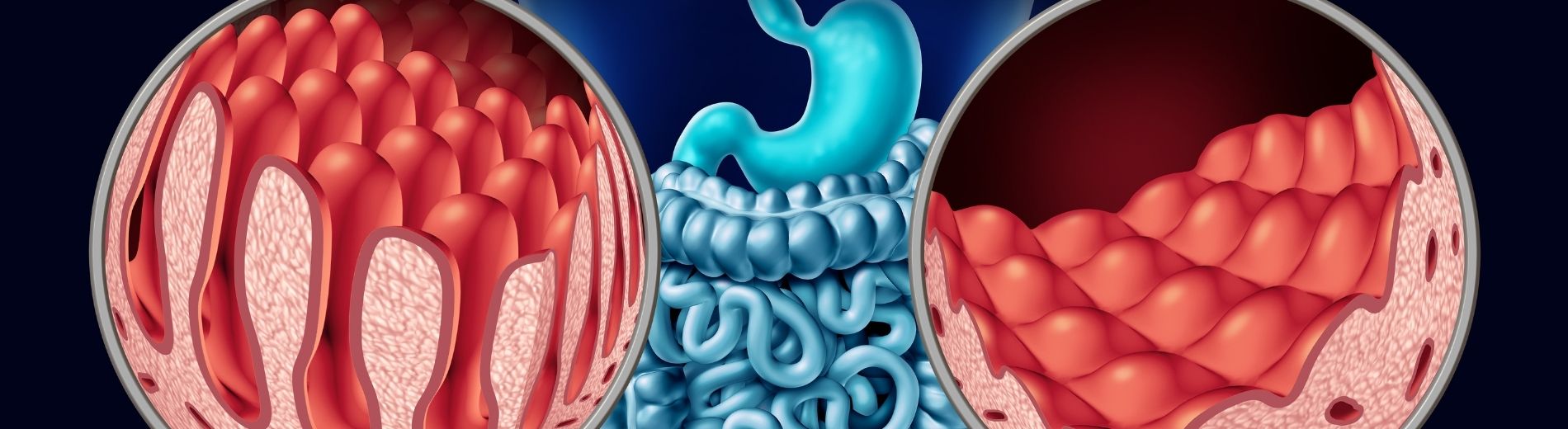
Celiac disease is a chronic autoimmune condition in which the immune system reacts abnormally to gluten, a protein found in wheat, barley, and rye. When a person with celiac disease consumes gluten, the immune response damages the lining of the small intestine, leading to inflammation and impaired absorption of nutrients.
Celiac disease can affect both children and adults and may present with digestive symptoms, fatigue, anemia, weight loss, or non-digestive symptoms such as skin rash and bone weakness. Because symptoms vary widely and can mimic other gastrointestinal disorders, accurate diagnosis is essential.
The foundation of celiac disease management is a strict lifelong gluten-free diet, but proper medical evaluation is important to confirm diagnosis, assess nutritional deficiencies, and monitor long-term health risks.
Türkiye is a trusted destination for advanced gastroenterology care, offering accurate celiac disease testing, safe endoscopy services, and structured long-term follow-up.
Averia Health supports international patients through ethical, coordinated, and patient-centered celiac disease care focused on diagnostic accuracy, nutritional recovery, and long-term wellbeing.
Why Choose Türkiye for Celiac Disease Care
Türkiye is internationally recognized for high-quality digestive disease care because of:
- Experienced gastroenterologists specialized in malabsorption disorders
- Advanced laboratory testing for celiac antibodies
- Modern endoscopy units with safe sedation protocols
- High-quality pathology services for intestinal biopsy analysis
- Multidisciplinary care for nutrition and deficiency correction
- Internationally accredited hospitals
Türkiye combines clinical expertise with structured celiac disease evaluation and care.
Why Choose Averia Health
Averia Health provides complete coordination for celiac disease diagnosis and long-term management:
- Pre-arrival review of symptoms, lab results, and dietary history
- Referral to experienced gastroenterology specialists
- Coordination of celiac blood testing and endoscopy when needed
- Clear explanation of diagnosis and long-term management requirements
- Nutritional deficiency assessment and correction planning
- Interpreter services for full clarity
- 24/7 patient support during your stay
- Medical reporting and international follow-up coordination
Our approach prioritizes safety, transparency, and long-term digestive health.
What Is Celiac Disease?
Celiac disease is an autoimmune condition, not a food allergy. It causes:
- Inflammation of the small intestine
- Damage to intestinal villi (tiny absorptive structures)
- Malabsorption of nutrients such as iron, calcium, folate, and vitamin D
Celiac disease may be associated with other autoimmune disorders and requires structured follow-up.
Symptoms of Celiac Disease
Symptoms can vary widely and may include:
Digestive Symptoms
- Chronic diarrhea or loose stools
- Abdominal pain and bloating
- Gas and indigestion
- Nausea
- Constipation in some patients
Non-Digestive Symptoms
- Iron deficiency anemia
- Chronic fatigue
- Weight loss or difficulty gaining weight
- Bone pain or fractures (low bone density)
- Mouth ulcers
- Skin rash (dermatitis herpetiformis)
- Fertility or menstrual irregularities in some patients
Some patients have mild or no symptoms and are diagnosed through testing.
Diagnostic Evaluation for Celiac Disease
Accurate diagnosis requires testing before starting a gluten-free diet. Evaluation may include:
- Gastroenterology consultation
- Blood tests for celiac antibodies:
- tissue transglutaminase (tTG-IgA)
- total IgA level
- additional antibody tests in selected cases
- Genetic testing (HLA-DQ2/DQ8) in selected complex cases
- Upper endoscopy (gastroscopy) with small bowel biopsy (often required for confirmation)
- Evaluation of nutritional deficiencies:
- iron studies
- vitamin B12 and folate
- vitamin D and calcium
- liver enzyme testing
Diagnosis must be accurate to avoid unnecessary lifelong dietary restriction.
Treatment and Long-Term Management
Gluten-Free Diet (Core Treatment)
A strict lifelong gluten-free diet is essential. This involves avoiding:
- Wheat, barley, rye
- Many processed foods containing hidden gluten
- Cross-contamination risks in cooking environments
A structured dietary plan helps ensure safety and nutritional adequacy.
Correction of Nutritional Deficiencies
Many patients require:
- Iron supplementation
- Vitamin D and calcium support
- Folate or vitamin B12 correction
- Monitoring of weight and nutritional recovery
Follow-Up and Monitoring
Long-term follow-up may include:
- Repeat antibody testing to confirm response
- Symptom monitoring
- Bone density evaluation in selected patients
- Monitoring for associated autoimmune conditions
Treatment Journey in Türkiye
- Pre-Arrival Case Review
Symptoms, dietary history, and previous tests are reviewed. - Gastroenterology Specialist Consultation
Diagnostic plan is confirmed and testing is coordinated. - Diagnostic Confirmation
Blood tests and endoscopy with biopsy are performed when indicated. - Nutritional and Medical Assessment
Deficiencies and complications are evaluated. - Personalized Gluten-Free Management Plan
Dietary guidance and supplementation plan are established. - Follow-Up & International Continuity
Medical reporting and long-term monitoring recommendations are provided.
Expected Results & Benefits
- Accurate diagnosis and avoidance of unnecessary restriction
- Symptom improvement with gluten-free management
- Recovery of intestinal lining over time
- Improved energy levels and anemia correction
- Reduced long-term complications such as osteoporosis
- Clear follow-up strategy for long-term wellbeing
Most patients improve significantly after correct diagnosis and dietary management.
Risks & Considerations
Celiac disease management requires long-term adherence. Considerations include:
- Starting a gluten-free diet before testing may delay diagnosis
- Risk of nutritional imbalance if diet is not planned properly
- Ongoing risk of accidental gluten exposure
- Need for monitoring of bone health and deficiencies
- Potential overlap with non-celiac gluten sensitivity (different condition)
All patients receive clear guidance for safe long-term management.
What’s Included in Your Medical Trip
- Gastroenterology consultation
- Review of previous medical reports and symptoms
- Celiac antibody testing coordination
- Upper endoscopy with biopsy coordination when indicated
- Nutritional deficiency assessment
- Personalized gluten-free management plan guidance
- Interpreter services
- 24/7 patient support
- Medical reporting and international follow-up coordination
Averia Health ensures ethical, structured, and patient-centered celiac disease care.
Frequently Asked Questions
Can I start a gluten-free diet before testing?
It is best to complete diagnostic testing first. Avoiding gluten before testing can lead to false-negative results.
Is celiac disease the same as gluten intolerance?
Celiac disease is autoimmune and causes intestinal damage. Non-celiac gluten sensitivity may cause symptoms without autoimmune injury.
Will symptoms improve quickly?
Many patients improve within weeks, but full intestinal healing may take longer depending on severity.
Do I need endoscopy to confirm celiac disease?
Often yes, especially in adults, to confirm diagnosis and assess intestinal damage.
Can international patients continue follow-up after returning home?
Yes. We provide medical summaries and long-term monitoring recommendations.
Ready to Start Your Health Journey?
Get accurate diagnosis and structured long-term care for celiac disease in Türkiye with expert gastroenterology support.
Request a free quote or contact us on WhatsApp to speak with our international care coordination team.