
Introduction
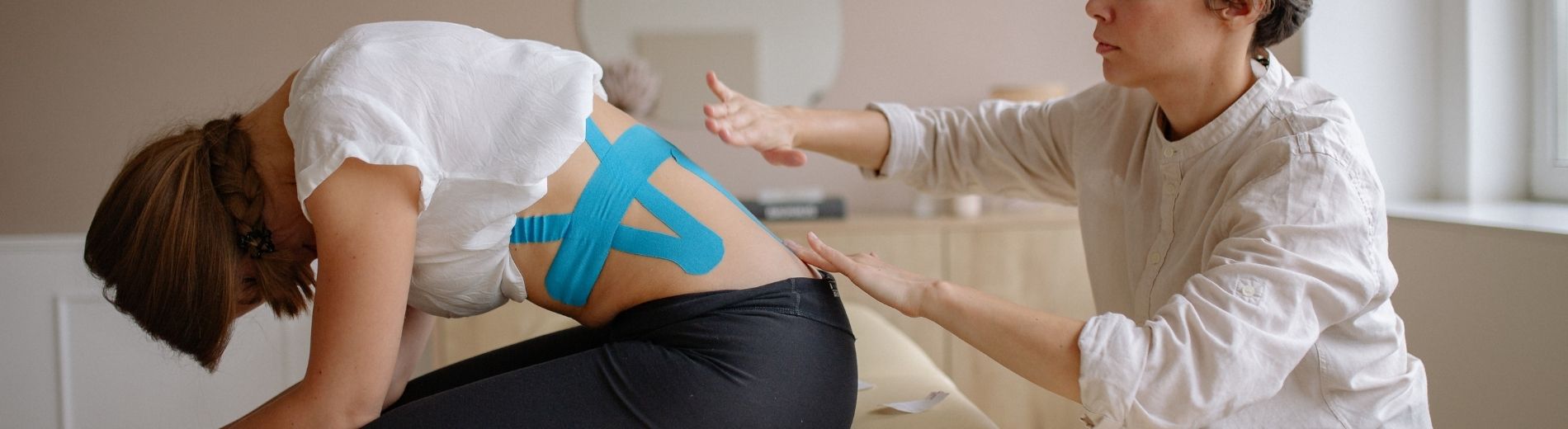
Spine surgery rehabilitation is a structured recovery program designed to help patients regain mobility, strength, stability, and daily function after procedures such as discectomy, laminectomy, spinal fusion, or other cervical and lumbar spine surgeries. While surgery may relieve nerve compression or stabilize the spine, rehabilitation plays a crucial role in restoring safe movement patterns, improving core support, and reducing the risk of long-term stiffness or recurrent pain.
Post-operative spine rehabilitation must be individualized. Recovery depends on the type of surgery, the spinal level involved (cervical, thoracic, lumbar), the patient’s pre-surgery condition, nerve symptoms, and overall health. A safe program prioritizes spinal protection, gradual progression, and correct biomechanics to support long-term outcomes.
Türkiye is a trusted destination for orthopedic and neurosurgical rehabilitation, offering experienced rehabilitation specialists, modern physiotherapy facilities, and coordinated care teams.
Averia Health supports international patients through ethical, structured, and fully coordinated spine surgery rehabilitation focused on safety, functional recovery, and long-term spinal health.
Why Choose Türkiye for Spine Surgery Rehabilitation
Türkiye is internationally recognized for advanced spine care and rehabilitation because of:
- Experienced physiotherapists specialized in post-operative spine rehabilitation
- Modern rehabilitation facilities with structured recovery programs
- Multidisciplinary coordination with neurosurgery and orthopedic spine teams
- Safe pain management and mobility progression strategies
- Advanced rehabilitation modalities when indicated
- Internationally accredited hospitals
Türkiye combines clinical expertise with recovery-focused rehabilitation planning.
Why Choose Averia Health
Averia Health provides complete coordination for spine surgery rehabilitation:
- Pre-arrival review of surgical reports and imaging findings
- Referral to experienced rehabilitation specialists and physiotherapists
- Personalized program based on surgery type and spinal level
- Monitoring for nerve symptoms, pain control, and movement safety
- Interpreter services for full clarity
- 24/7 patient support during your stay
- Medical reporting and international follow-up coordination
- Home program planning for continued recovery after travel
Our approach prioritizes safety, structured recovery, and long-term function.
Who Needs Spine Surgery Rehabilitation?
Rehabilitation is commonly recommended after:
- lumbar discectomy or microdiscectomy
- laminectomy / decompression surgery
- spinal fusion (lumbar or cervical)
- cervical spine surgery for herniated disc or stenosis
- scoliosis surgery (selected cases)
- revision spine surgery
Rehabilitation is especially important for patients with:
- pre-operative weakness or nerve symptoms
- chronic back or neck pain history
- reduced mobility or deconditioning
- fear of movement or post-surgical guarding
- balance problems or fall risk
Goals of Spine Surgery Rehabilitation
Rehabilitation after spine surgery focuses on:
- restoring safe walking and daily mobility
- improving posture and spinal alignment
- reducing pain and muscle spasm
- strengthening core and spinal stabilizer muscles
- improving flexibility safely without stressing surgical areas
- preventing stiffness and movement compensation
- supporting return to work and normal activities
A structured program helps protect the surgical outcome and improves confidence.
Rehabilitation Assessment After Spine Surgery
Before starting therapy, evaluation may include:
- review of surgery type and spinal level
- wound healing and swelling assessment (as appropriate)
- pain assessment and movement limitations
- neurological evaluation (strength, sensation, reflexes)
- gait and posture analysis
- assessment of core stability and mobility control
- screening for red flags (new weakness, worsening numbness)
This ensures rehabilitation is safe and properly targeted.
Rehabilitation Program After Spine Surgery
A comprehensive rehabilitation program may include:
Early Mobility and Walking Training
- safe walking progression
- posture awareness during movement
- training for getting in/out of bed safely (log-roll technique)
- safe sitting and standing strategies
Core Stabilization and Strength Training
- deep core activation (transversus abdominis and multifidus training)
- pelvic stability exercises
- gradual strengthening of hip and gluteal muscles
- functional strengthening for daily movements
Range of Motion and Flexibility (Controlled)
- gentle mobility exercises based on surgery type
- stretching of hips, hamstrings, and surrounding muscles
- avoiding unsafe bending/twisting when restricted
Posture and Movement Retraining
- correction of protective movement patterns
- ergonomic education for daily activities
- lifting mechanics education (when appropriate)
Pain Management and Muscle Relaxation
- safe therapeutic modalities for pain control
- soft tissue techniques (selected cases)
- pacing strategies to prevent flare-ups
Balance and Functional Training
- coordination exercises
- safe stair training when needed
- return-to-activity planning
The intensity and progression depend on the surgical procedure and the surgeon’s post-operative recommendations.
Treatment Journey in Türkiye
- Pre-Arrival Case Review
Surgical details, symptoms, and goals are reviewed. - Rehabilitation Specialist Evaluation
A structured functional and neurological assessment is performed. - Personalized Rehabilitation Plan
A safe program is designed based on surgery type and restrictions. - Therapy Sessions and Monitoring
Progress is tracked with mobility and strength milestones. - Home Exercise Program
Patients receive exercises and prevention guidance for continued recovery. - International Follow-Up Coordination
Medical reporting supports continuity of care at home.
Expected Results & Benefits
- improved mobility and confidence with movement
- reduced pain and muscle tension over time
- improved posture and spinal stability
- stronger core and lower risk of re-injury
- improved walking ability and daily function
- safer return to work and activities
- better long-term spine health outcomes
Results depend on surgery type, baseline condition, and adherence to rehabilitation.
Risks & Considerations
Spine surgery rehabilitation is safe when properly supervised, but considerations include:
- overexertion may increase pain or inflammation
- bending, twisting, or lifting too early may stress surgical areas
- new or worsening nerve symptoms require urgent evaluation
- recovery may be slower in patients with long-term nerve compression
- chronic pain patterns may require multidisciplinary support
Rehabilitation plans are always adapted to safety restrictions and surgeon guidance.
What’s Included in Your Medical Trip
- Rehabilitation specialist consultation (PM&R)
- Physiotherapy assessment and personalized program
- Mobility and gait training
- Core stabilization and strengthening program
- Posture and ergonomic education
- Pain management strategies and supportive modalities
- Balance and functional training
- Interpreter services
- 24/7 patient support
- Home exercise plan and long-term prevention guidance
- Medical reporting and international follow-up coordination
Averia Health ensures ethical, structured, and patient-centered spine surgery rehabilitation.
Frequently Asked Questions
When should rehabilitation start after spine surgery?
It depends on the surgery type and surgeon recommendations. Early safe mobility is often encouraged, followed by structured physiotherapy.
Will rehabilitation cause pain?
Some discomfort may occur, but therapy is carefully progressed and pain is monitored to avoid overloading the spine.
Can rehabilitation prevent future back pain?
It can significantly reduce risk by improving core strength, posture, and movement mechanics.
What if I still have numbness after surgery?
Nerve recovery can take time. Rehabilitation supports function, but persistent or worsening symptoms require medical evaluation.
Can international patients continue rehab at home?
Yes. We provide a home program and medical reporting for continuity.
Ready to Start Your Health Journey?
Recover safely after spine surgery with expert rehabilitation in Türkiye—structured physiotherapy, spinal protection strategies, and coordinated international care.
Request a free quote or contact us on WhatsApp to speak with our international care coordination team.