Facing complex spinal or brain surgery is a profoundly emotional experience. It is entirely natural to feel anxious about the risks—particularly when it comes to safeguarding your long-term mobility, speech, and physical independence.
Fortunately, modern neurosurgery no longer relies on a surgeon’s eyesight alone. Today, advanced operating rooms utilize a continuous, high-tech safety net designed to protect your nervous system every second you are under anesthesia. This technology is called Intraoperative Neuromonitoring (IONM), and it has quietly revolutionized surgical safety across the globe.
If you or a loved one are preparing for a major procedure, here is an open, honest breakdown of how this system works, why it is essential, and why elite surgical centers utilize it as a standard of care.
As you can see in the clinical setup above, the monitoring process is incredibly detailed yet entirely non-invasive for the patient during the procedure. Before the operation begins, a specialized neurophysiologist places tiny, high-precision sensors on strategic points of your body—such as the scalp (A), lower extremities (B), ankles (C), and wrists (D). These sensors feed raw electrical data directly into a specialized monitoring station (E) managed right inside the operating theater.
What Exactly is Intraoperative Neuromonitoring?
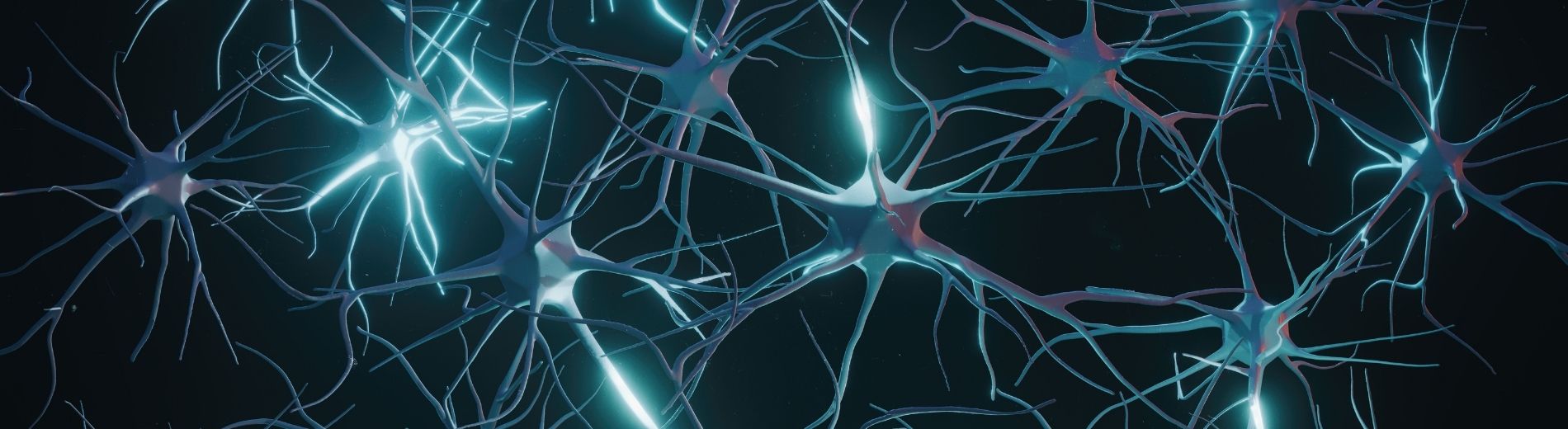
Think of IONM as a dedicated, real-time GPS and electrician for your nervous system.
During intricate procedures like scoliosis corrections, spinal fusion, or brain tumor removals, nerves are often microscopic, delicate, and buried deep within tissue. IONM works by constantly sending safe, minute electrical impulses through your nerve pathways.
If a nerve is stretched, compressed, or deprived of adequate blood flow during a surgical maneuver, the system detects a drop in electrical signal within milliseconds. The monitoring specialist alerts the surgeon instantly, allowing them to adjust their approach before any permanent, structural damage occurs.
The Three Pillars of Nerve Tracking
To ensure comprehensive protection, elite neurosurgeons use a “multimodal” approach, tracking different types of nerve functions simultaneously.
Modality | What It Tracks | Why It Matters For Your Recovery |
MEPs (Motor Evoked Potentials) | Electrical signals traveling down from your brain to your muscles. | It ensures that your ability to move your limbs remains completely intact throughout the procedure. |
SSEPs (Somatosensory Evoked Potentials) | Sensory signals traveling from your arms or legs back up to your brain. | It monitors the pathways responsible for your sense of touch, temperature, and position awareness. |
EMG (Electromyography) | Spontaneous muscle activity and direct nerve irritation. | It acts as an instant acoustic warning system; if a surgeon gets too close to a nerve, the muscle twitches and sounds an immediate alarm. |
The 2026 Standard: Smarter, AI-Driven Safety
The field of neurophysiology has evolved rapidly. In 2026, real-time nerve tracking is no longer considered an optional safeguard—it is a routine mandate for complex cases. Industry data indicates that roughly 76% of top-tier spinal surgeons globally now integrate advanced neuromonitoring to eliminate iatrogenic (surgery-induced) nerve injuries.
Furthermore, the integration of newly launched AI-assisted signal analysis platforms has improved baseline interpretation efficiency by nearly 30%. These smart algorithms can instantly differentiate between minor, harmless signal fluctuations caused by anesthesia and genuine, high-risk nerve stress.
The Functional Advantage: Traditional imaging techniques like X-rays or CT scans only show the surgeon the physical structure of your spine or skull. IONM is completely unique because it tracks the live function of your nervous system in real time.
Precision Surgery in Turkey: The Averia Advantage
When traveling abroad for complex medical care, navigating hospital choices can feel overwhelming. Many international patients choose Istanbul, Turkey, specifically because the region’s premier private hospitals are equipped with these exact 2026 AI-driven IONM suites.
However, technology is only as good as the hands operating it. That is why we apply a strict, 50-point “Elite-Only” clinical filter at Averia Health. We do not work with massive, automated hospital networks or general commercial sales departments. Instead, we hand-pick the top 1% of internationally accredited neurosurgeons and certified neurophysiologists in Turkey who possess proven clinical track records in high-acuity spinal and brain procedures.
From your initial, free clinical file assessment to your fast-tracked diagnostics and private VIP transport through Istanbul, your dedicated medical companion ensures zero-friction logistics. You can focus entirely on your healing journey, knowing that your mobility is guarded by the world’s most sophisticated neurological safety systems and elite surgical minds.